
Why UK Tungsten Supply Matters: The Engineering Behind Britain’s £71m Critical Minerals Bet
A mine on the outskirts of Plymouth is becoming part of a much larger conversation about Britain’s industrial resilience. On 25 August 2026, the National Wealth Fund announced an investment of up to £71 million in Tungsten West. The funding is intended to support the restart of the Hemerdon tungsten and tin mine in South Devon and help establish a secure domestic source of a material used across several strategically important industries.
The intervention raises an obvious question: why is the UK tungsten supply important enough to justify Government backing on this scale?
The answer reaches far beyond the mine itself. Tungsten is associated with manufacturing, high-technology supply chains, aerospace, defence, electronics and next-generation energy. That means access to it is not merely a mining concern. It is also an engineering, procurement and industrial-capability issue.
Hemerdon will not make the UK self-sufficient in tungsten, nor will reopening a mine automatically create a complete domestic supply chain. However, the project illustrates why access to critical materials has moved much closer to the centre of manufacturing strategy.
What Makes Tungsten Unusual?
Tungsten may attract less public attention than steel, aluminium or copper, but the Hemerdon announcements link it with defence, aerospace, next-generation energy, electronics, manufacturing and high-technology supply chains.
It is important, however, to distinguish between the different stages of that supply chain. A mineral resource, mined ore, tungsten concentrate, refined material and a finished component are not the same thing.
Hemerdon is concerned with extracting tungsten-bearing material and producing concentrate, which is an important upstream step but only part of the journey towards a usable engineering input. Reopening the mine does not mean every later refining or manufacturing stage will take place in the UK, nor that British manufacturers will buy directly from Hemerdon.
Its significance lies in strengthening access to a domestic resource at the start of a much longer industrial chain.
Where Engineering Actually Uses Tungsten
Tungsten is linked in the official announcements with defence, aerospace, next-generation energy, electronics, UK manufacturing and high-technology supply chains. Although these sectors differ, they all depend on reliable access to controlled materials and specialist inputs, so availability matters alongside the performance of the finished product.
It would be misleading, however, to turn those broad connections into claims about specific components or programmes without evidence. The announcements establish tungsten’s strategic relevance across these industries, but they do not identify particular products, platforms or defence applications supplied by Hemerdon.
The engineering case should therefore be based on confirmed industrial relevance rather than assumptions about specialised or unannounced uses.
Why Tungsten Supply Security has Become an Engineering Issue
Materials supply can sometimes appear remote from the day-to-day work of engineering. A manufacturer may buy a finished material, tool or specialist input without dealing directly with the mine or primary processor behind it. Yet every finished input has an upstream supply chain.
If availability becomes uncertain at an early stage, the effects can travel through processing, distribution and manufacturing. What begins as a raw-material issue may eventually influence purchasing decisions, production planning and the confidence with which businesses can commit to future work. The National Wealth Fund says recent export controls have reinforced the need to diversify sources of tungsten for UK industry. It presents the Hemerdon investment as a way to reduce reliance on imports and create a more secure domestic source.
That does not mean international supply chains are inherently undesirable. Complex manufacturing frequently depends on several organisations and stages of specialist processing. The more useful question is whether those dependencies are understood and whether manufacturers have sufficient visibility and resilience when conditions change. This is where the distinction between mining and the complete supply chain becomes essential.
Accessibility is Everything
Mining makes the mineral resource accessible. Processing can produce a concentrate, but that concentrate may still need to move through downstream refining and material-production stages before it becomes suitable for manufacturing applications. Each stage introduces its own organisations, capacity requirements and commercial relationships.

A stronger UK tungsten supply therefore involves more than the existence of ore in Devon. It depends on how material moves from the mine into the wider network of processors, refiners and industrial users. Hemerdon can strengthen one strategically important part of that network without eliminating every external dependency.
Why the Hemerdon Mine Matters
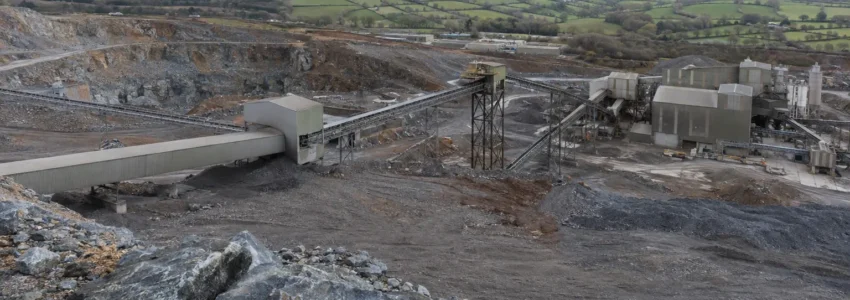
Hemerdon is located at Drakelands in South Devon, between Plymouth and Dartmoor. It is wholly owned by Tungsten West and has an established history as a mining site. The company describes Hemerdon as one of the world’s largest tungsten resources. This is a first-party description rather than an independent global ranking, but it helps explain why the site is being treated as a strategically important UK asset.
There is also existing infrastructure at the site. Tungsten West says more than US$300 million was previously invested by the former operator, including crushing circuits, power supply, access roads and site buildings. According to the company, the permits are in place and construction is underway. The Government-backed financing is intended to help move the project through its restart programme. The structure is more detailed than a single £71 million headline suggests.
How the Government Funding Is Structured
The £36 million equity investment is accompanied by a debt facility of up to £25 million and a further non-committed £10 million accordion facility. The detailed strategic-investment announcement says the funding will support the Hemerdon restart and repay an existing short-term loan facility.
The Government has also been granted a limited negotiation period in which to seek an offtake agreement covering up to 50% of the tungsten production set out in Hemerdon’s 2025 Feasibility Study. That wording is important. It does not mean a purchase agreement covering half the mine’s output has already been completed. It creates a period in which such an agreement can be negotiated, with “up to 50%” setting the maximum proposed scope.
When Could Hemerdon Reach Full Production?
The project timetable also requires careful interpretation. Tungsten West reported that it had already produced tungsten and tin concentrate during its restart activity and was preparing to begin production. That initial activity is different from achieving full commissioning or steady-state output.
According to Tungsten West’s published Hemerdon timeline, full commissioning of nameplate capacity is due to commence in the first quarter of 2027. Steady-state production is shown as being achieved during the second half of 2027, with the full steady-state ramp-up completed during 2027. These are company projections and should be understood as such, rather than guaranteed completion dates.
Hemerdon Is Only One Part of the Supply Chain
The company also said it was in advanced offtake negotiations with a major downstream tungsten refiner. The announcement does not identify that organisation or say where it is located. This reinforces the difference between securing a domestic mineral resource and establishing an entirely domestic end-to-end supply chain. Hemerdon can produce tungsten concentrate in the UK, but the verified information does not establish that every refining and material-conversion stage will also take place here.
Its importance should therefore be described accurately. Hemerdon represents an opportunity to strengthen the upstream UK tungsten supply, reduce some reliance on imported material and give the Government a potential route to secure part of the mine’s future output. It should not be presented as a complete solution to every processing or supply dependency.
What This Means for British Manufacturers
Most British manufacturers will never purchase or negotiate directly with a mine. Their connection to critical minerals is usually further downstream. A business may depend on processed materials, specialist inputs or products supplied through several stages of an international chain. By the time those inputs arrive at the factory, their mineral origins may feel distant from the immediate work of production. But upstream availability still matters.
If a strategically important material becomes more difficult to obtain, the consequences can eventually appear in purchasing, scheduling and delivery planning. Manufacturers may have to manage longer or less predictable supply routes, while suppliers further down the chain must respond to changes in availability.
This is why critical-minerals policy is relevant to manufacturing businesses that never handle raw minerals. Their operations ultimately depend on the reliability of the wider industrial system that turns resources into usable inputs.
From Raw Materials to the Factory Floor
For companies carrying out precision manufacturing processes, the practical concern is not simply where a material originated. It is whether the required inputs are available when needed, supplied in an appropriate form and supported by a sufficiently dependable chain of organisations. Hemerdon cannot control every part of that system. What it may provide is a stronger domestic starting point.
The project also demonstrates why supply-chain resilience begins well before material reaches a workshop. Machines, skilled people and well-controlled processes remain essential, but they cannot compensate indefinitely for unavailable inputs upstream.
For British manufacturers, the broader lesson is to understand important material dependencies rather than assuming supply will always remain unchanged. That does not require every business to become a minerals specialist. It does mean recognising that decisions made at mines, processors and refiners can eventually affect manufacturing confidence.
Materials Security is Manufacturing Security
The Government’s investment in Tungsten West is unusual enough to draw attention to a material that rarely enters public discussion. It also reveals something fundamental about advanced manufacturing. Industrial capability is not built from machinery and skills alone. It depends on access to the materials and specialist inputs that allow those machines and people to produce useful components and systems.
Hemerdon could become an important domestic source of tungsten concentrate and give the Government an opportunity to negotiate access to part of its future production. It may also reduce some of the UK’s dependence on imported supply. But the project should be kept in proportion. It does not guarantee self-sufficiency, a completed Government offtake agreement or a wholly domestic processing chain. Mining, concentration, refining and final manufacture remain distinct stages.
That does not diminish Hemerdon’s importance. It explains it. The £71 million commitment is ultimately about strengthening one of the earliest links in a strategically important industrial chain. For British engineering, the message is clear: manufacturing resilience starts long before a component reaches the machine shop.
Why Stories Like Hemerdon Matter to UK Engineering
Hemerdon is only one part of a much larger picture, but it reflects the growing importance of materials security, domestic capability and resilient supply chains within UK manufacturing.
PRV Engineering works much further downstream, yet developments like this still matter because the wider manufacturing sector depends on the availability of materials, specialist inputs and reliable supply networks. That is why we continue to follow stories such as Hemerdon and report on the industrial developments that could shape British engineering in the years ahead.
Recent Comments