
How Britain’s Next Fighter Is Changing the Way Complex Engineering Is Manufactured
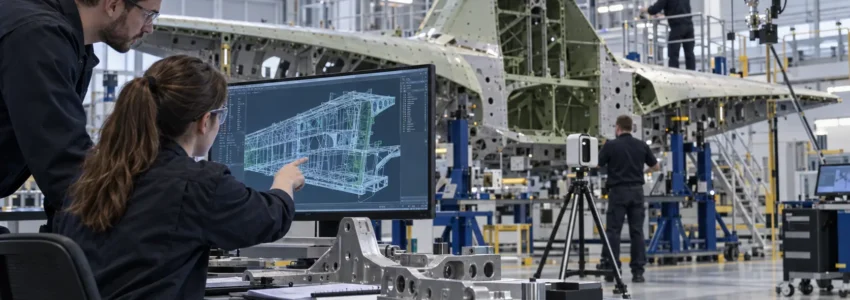
The latest investment in Britain’s future combat-air capability is not only funding the development of a new aircraft. It is also supporting a different engineering model in which design, testing, production and through-life support are connected through shared digital information.
On 22 July 2026, the Ministry of Defence announced a £708 million contract extension to accelerate the development of advanced technologies for the UK’s Future Combat Air System or FCAS. The wider system will include the next-generation aircraft being developed by the UK, Italy and Japan through the Global Combat Air Programme known as GCAP.
The distinction matters because FCAS describes the UK’s broader future combat-air capability, while GCAP is the international programme responsible for developing its core aircraft platform. Together, they provide a useful case study in how Future Combat Air System manufacturing could connect digital engineering with physical production.
The central question is therefore bigger than how the aircraft will perform. If it is engineered digitally from the outset, what changes in the factories, supplier networks and physical processes required to manufacture it?
What Digital Engineering Actually Means
Digital engineering is sometimes reduced to advanced design software or three-dimensional models but the ambition described for FCAS is considerably broader. It involves connecting requirements, models, simulations, configuration information and engineering decisions across multiple disciplines and stages of the product lifecycle.
The MOD’s FCAS Digital Strategy identifies Digital Engineering as one of nine strategic ends for the programme. Its approach draws together model-based systems engineering, model-based engineering and product lifecycle management, with information connected through what the strategy describes as a digital thread.
That digital thread is intended to make engineering information traceable as the programme moves through design, manufacture, testing, acceptance, certification and qualification. When a requirement or design definition changes, the aim is to make the consequences more visible to the teams and organisations affected by it.
The strategy uses specific terms such as digital models and digital threads rather than treating “digital twin” as a catch-all description.
From Fragmented Hand-Offs To A Connected Engineering Environment
Complex engineering programmes rarely operate through one team or software system. Design authorities, manufacturers, suppliers and test organisations may use different tools and formats, creating opportunities for information to become fragmented.
The FCAS Digital Strategy acknowledges that FCAS and GCAP are not yet fully digital-first. It instead describes a transition towards an Integrated Digital Environment through which assured information can remain connected as the design evolves.
This does not mean every organisation must use identical software. Existing engineering systems may remain in place, provided they can exchange information through appropriate standards and protocols without breaking the digital thread.
Why Digital Engineering Changes Physical Manufacturing
A connected digital environment becomes valuable only when it improves the way engineering work is planned, performed and verified. In manufacturing, that could affect how teams prepare tooling, develop process instructions, plan inspections, manage configurations and respond to engineering changes.
If manufacturing engineers can trace a component back to its requirements and current design definition, they have a clearer basis for deciding how it should be produced and checked. Changes can potentially be identified earlier, while updated information can be communicated without relying on a chain of disconnected drawings, files and manual explanations.
The strategy also describes the potential to identify errors earlier and reduce some reliance on physical testing. That does not mean that physical prototypes, qualification or testing will disappear, especially in a safety-critical programme. It means that models and simulations may allow more questions to be explored before materials, tooling and production capacity are committed.
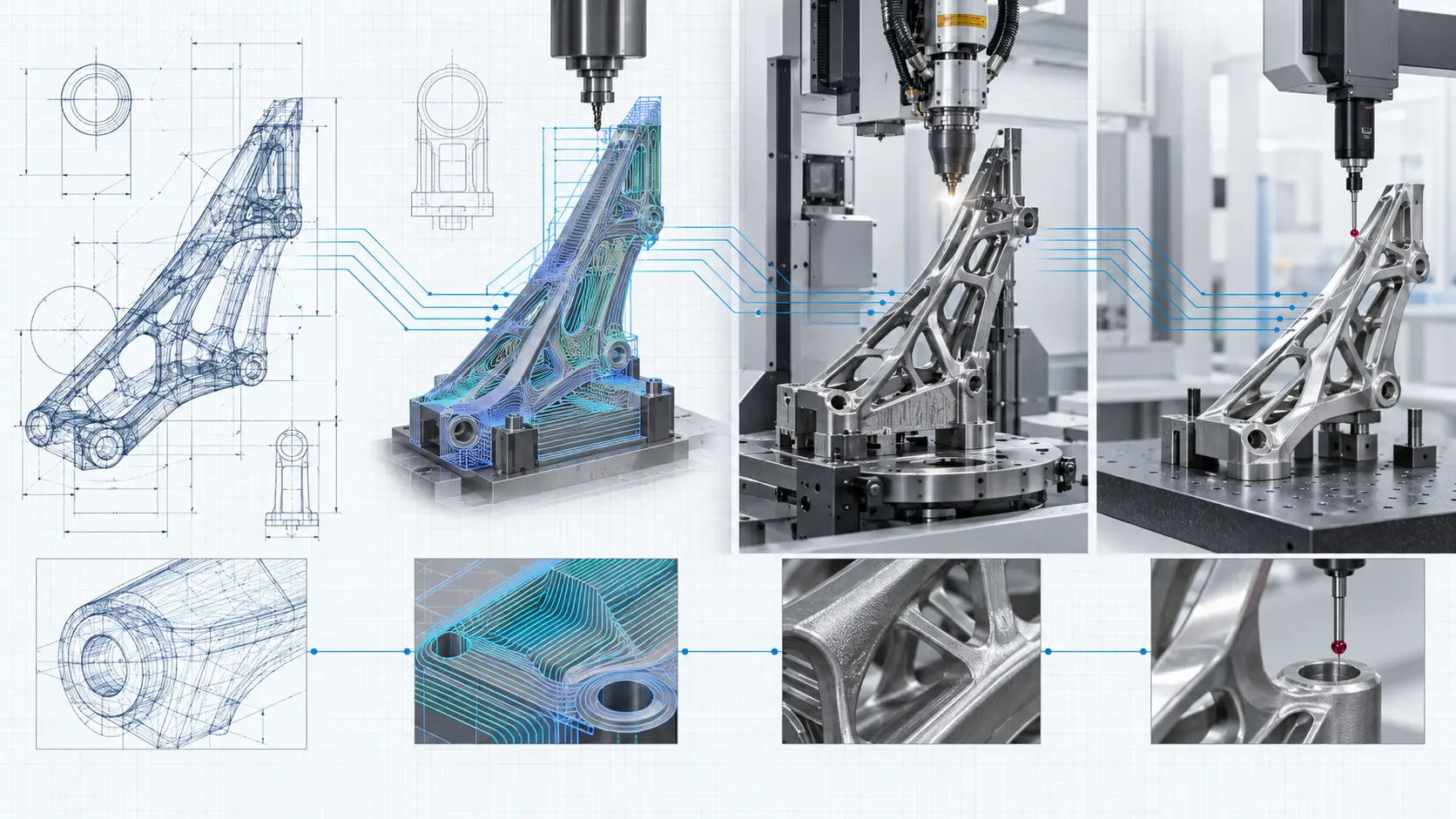
This is where Future Combat Air System manufacturing becomes more than a software story. Every digital definition must eventually become a physical component or assembly that matches the required configuration. Whatever digital environment sits behind the programme, its value ultimately depends on disciplined precision engineering and manufacturing capable of producing consistent, inspectable results.
Additive Manufacturing And Robotics Are Tools, Not The Whole Story
The MOD’s £708 million technology announcement identifies digital engineering, artificial intelligence, advanced software, augmented reality, additive manufacturing and robotics among the technologies being developed.
These technologies are intended to help accelerate design, testing and production but they should not be treated as a complete description of the manufacturing system. The public sources do not identify which aircraft components might be produced through a particular process, so it would be misleading to speculate about specific applications.
Additive manufacturing, robotics and augmented reality may support suitable production activities, but their value depends on how successfully they connect with design control, process planning and inspection.
Their use does not mean established processes will disappear. Complex aircraft production can combine newer technologies with machining, fabrication, assembly, finishing and inspection. Digital engineering changes how these processes receive and exchange information, it does not remove the need to control the physical work.
The Supplier Challenge Across Around 600 UK Organisations
The MOD says the programme involves approximately 600 UK companies, academic institutions and other organisations, with more than 4,500 workers expected to contribute to the technology-development phase covered by the latest contract.
These organisations will have different responsibilities, engineering systems and levels of digital maturity. The scale of the Future Combat Air System manufacturing network therefore makes information control a supply-chain issue as well as a technical one.
Data must cross organisational boundaries without losing its meaning, authority or connection to the correct configuration. Suppliers need to know which design definition is current, which requirements apply and how conformity should be recorded.
The digital environment must also accommodate cybersecurity, intellectual-property protection and national-security requirements. Connectivity must therefore be balanced with appropriate controls over access and information sharing.
Digital Engineering Changes The Skills Requirement
“People and Skills” is one of the nine strategic ends identified in the FCAS Digital Strategy. Although the sources do not prescribe a detailed workforce model, the direction suggests that future manufacturing teams will need to work across digital and physical disciplines.
Manufacturing engineers may need to interpret connected models and data, while digital specialists will need to understand materials, tooling, inspection and production constraints. Systems and configuration professionals must maintain the relationships between requirements, designs and manufactured outcomes.
Traditional production expertise remains essential. Skilled machinists, fabricators, assemblers and inspectors understand how materials and processes behave beyond the screen and can recognise when digital information does not reflect manufacturing reality. Automation therefore changes the skills mix rather than removing the need for people and practical judgement.
Through-Life Engineering Begins At The Design Stage
The programme’s digital ambition extends beyond initial development and production. Through-Life Support is one of the strategy’s nine ends, reflecting the value of maintaining reliable engineering information after a system enters service.
Manufacturing records, configuration decisions and production evidence can affect how equipment is maintained, modified and upgraded. Connected information could help support teams understand what was built, which configuration applies and which requirements governed a change.
The strategy does not suggest that every future decision will happen automatically within one digital system. Its broader principle is that decisions made during design and manufacture shape how effectively a complex product can be supported throughout its life.
The Scale Of GCAP Explains Why The Engineering Model Matters
The size and duration of the programme help explain why the supporting engineering model is receiving so much attention. On 3 July 2026, the three partner nations announced a jointly funded £4.6 billion international GCAP contract for the next stage of aircraft design and development.
The contract was awarded through the GCAP International Government Organisation to Edgewing, the industrial joint venture responsible for advancing the design. The same announcement stated that the UK’s Defence Investment Plan commits £8.6 billion to GCAP over four years.
These are related but distinct figures. The £4.6 billion contract is funded jointly by the UK, Italy and Japan, so it should not be presented as a British investment alone. The £8.6 billion figure describes the UK’s planned GCAP commitment over the specified four-year period.
The aircraft is targeted to enter service in 2035, although that remains a programme target rather than a guaranteed delivery date. Reaching it will require coordination across national boundaries, engineering disciplines and a large supporting supply chain, which makes the control and exchange of information central to the programme rather than an administrative concern.
What This Means For Advanced Manufacturing Beyond Combat Aircraft
Although FCAS and GCAP provide the immediate context, the manufacturing questions extend beyond combat aircraft. Other complex, high-value products also depend on controlled engineering definitions, reliable change management and evidence that the manufactured result conforms to what was designed.
As products become more digitally integrated, suppliers must be able to determine which information is authoritative, how a change affects production and how the result should be verified. They may not need to use the same software as every customer or programme partner, but they need processes that protect traceability as information moves between systems and organisations.
This places digital capability alongside established measures of manufacturing competence. Producing an accurate component remains essential, but the supplier may also need to demonstrate which design revision was used, how the process was controlled and how inspection results relate to the applicable requirements.
The wider lesson is that a sophisticated digital model has limited value unless it can be converted into a consistent physical outcome. Digital engineering may improve continuity and visibility but manufacturing still carries the responsibility of making the design real.
Digital-First Does Not Mean Manufacturing-Light
FCAS and GCAP are developing more than a next-generation aircraft. They are also establishing an engineering environment intended to connect design, production, testing and through-life support across an international programme and an extensive UK supply chain.
That does not make physical manufacturing less important. As engineering information becomes more connected, manufacturers must control how it enters production, how changes are interpreted and how completed work is inspected and documented.
The result is a shift in emphasis rather than the disappearance of established engineering. Digital models, artificial intelligence, additive manufacturing and robotics can expand the available tools but they still depend on skilled people, controlled processes and practical manufacturing knowledge.
Digital-first engineering does not remove manufacturing reality. It places greater demands on the manufacturers responsible for turning controlled digital information into repeatable physical results.
For engineering businesses such as PRV, that reinforces something comparatively traditional: advanced technology only creates value when it is supported by capable people, controlled processes and manufacturing that performs as intended.
Recent Comments