

Jaguar Enters a New Electric Era
A new Jaguar has always invited scrutiny, particularly when its appearance challenges expectations of what the marque should be. With the Jaguar Type 01, however, the questions extend well beyond the styling. Its arrival also brings attention to the engineering, factories and manufacturing skills behind a new British electric grand tourer.
Unveiled in New York in October 2026, Type 01 combines ambitious performance claims with a planned UK production programme. For enthusiasts, the immediate attraction is a powerful four-door GT; for British automotive manufacturing, the interest lies in turning that vehicle into a repeatable production reality.
That journey deserves attention alongside the acceleration figures. Developing a new car means bringing design, propulsion, body manufacture and assembly together, with each decision carrying implications for the people and processes further down the production chain.
Jaguar Type 01: Specifications, Price and Launch Date
The Jaguar Type 01 specifications establish the scale of the project, with an announced starting price of £130,000 placing considerable expectations on both performance and execution.
- Vehicle format: Electric four-door grand tourer
- Electrical architecture: 850V
- Usable battery capacity: 118kWh
- Maximum power: Up to 1,030PS
- Claimed acceleration: 0-62mph in 3.2 seconds
- Starting price: £130,000
- Orders: Expected to open in early 2027
- Production: Scheduled to begin in 2027
- First customer deliveries: Anticipated in the second half of 2027
The distinction between unveiling, ordering and delivery matters. Customers have seen the car but its commercial introduction still follows a timetable. Jaguar’s world-premiere announcement sets out the ordering and anticipated delivery dates, which should be read as forward plans.
The technical figures also need context. Power and acceleration are manufacturer claims, while published range estimates remain subject to certification, with real-world results affected by operating conditions. These specifications provide a useful comparison point, although they cannot establish how the finished car will perform on a particular journey.
For prospective buyers, the eventual relationship between performance, comfort, charging and everyday usability will be more revealing than any single headline number.
The Engineering Behind Jaguar’s New Electric GT
Beneath the bodywork sits Jaguar Electric Architecture, or JEA, the dedicated foundation for the new model. Its significance reaches beyond accommodating electric propulsion: the architecture establishes the starting point for the vehicle’s proportions, packaging and dynamic behaviour.
Jaguar’s technical release describes a tri-motor system with intelligent torque vectoring, alongside an 850-volt electrical architecture and a 118kWh usable battery. These elements need to work together as a vehicle, rather than simply deliver impressive individual specifications. The engineering question is how their combined behaviour supports the character expected of a grand tourer.
Aerodynamics provides a particularly clear connection between appearance and function. According to Jaguar’s technical launch details, active vanes, a three-stage deployable spoiler and airflow optimisation contribute to an announced drag coefficient of 0.23. Jaguar also describes wind-tunnel development as part of achieving the intended shape.
For anyone interested in engineering, those details are more useful than a broad claim that the car is technologically advanced. They identify the areas in which the design has required functional development, allowing the discussion to move from how the car looks to how its surfaces and moving elements manage airflow.
The real challenge for Jaguar is making sure that technology delivers the performance, comfort and driving experience expected of a luxury GT. A powerful electric drivetrain is part of that task but the behaviour of the complete vehicle will determine whether the result feels convincing. For prospective buyers, the engineering needs to translate into a car that feels equally capable during everyday driving and longer journeys.
Designed and Manufactured in Britain
Jaguar’s production plans highlight the role British manufacturing will play in bringing Type 01 to market. Vehicle production is scheduled for Solihull, with electric drive units and battery packs made in Wolverhampton and pressed body panels manufactured in Halewood, Merseyside.
JLR’s UK manufacturing announcement also reports that nearly 9,000 Solihull employees have been retrained to build electric vehicles, alongside a further 1,500 colleagues across its wider West Midlands operations. These figures concern JLR’s broader preparations, rather than a workforce recruited solely for Type 01.
The division of manufacturing responsibilities helps explain what “built in Britain” means here. It encompasses distinct activities at different locations, bringing propulsion, battery-pack manufacture, body-panel production and vehicle assembly into the same programme. It does not establish that every material or component originates in the UK, nor does battery-pack manufacture identify where the cells themselves are produced.
For production directors, a network like this brings familiar coordination demands. Parts and assemblies need to arrive in the required condition and at the right stage of production, with specifications understood across the operations involved. A problem identified late can affect work already completed elsewhere, making clear inspection requirements, controlled drawings and communication between teams important to avoiding rework and disrupted schedules.
The workforce preparation is equally relevant to UK automotive engineering. Investment in facilities only becomes useful when people can operate the processes and maintain the required standards. The retraining figures therefore add a practical dimension to the launch story, showing how preparations extend beyond the car itself.
What Type 01 Means for British Automotive Suppliers
A programme involving several production locations naturally raises questions about the businesses around them. For suppliers, however, an attractive new vehicle and an actual manufacturing opportunity are different things; the published information does not identify individual contracts or establish which firms might secure future work.
The more useful discussion concerns the capabilities that automotive manufacturing depends on. Accuracy must be supported by repeatability, while material selection, inspection and finishing need to be considered as part of the manufacturing route.
CNC machining provides a useful example. Producing an accurate component is only part of the challenge; maintaining the required tolerances across repeated production runs matters just as much. Inconsistencies can create assembly problems, additional inspection, rework and delays, particularly when a component must fit within a larger system.
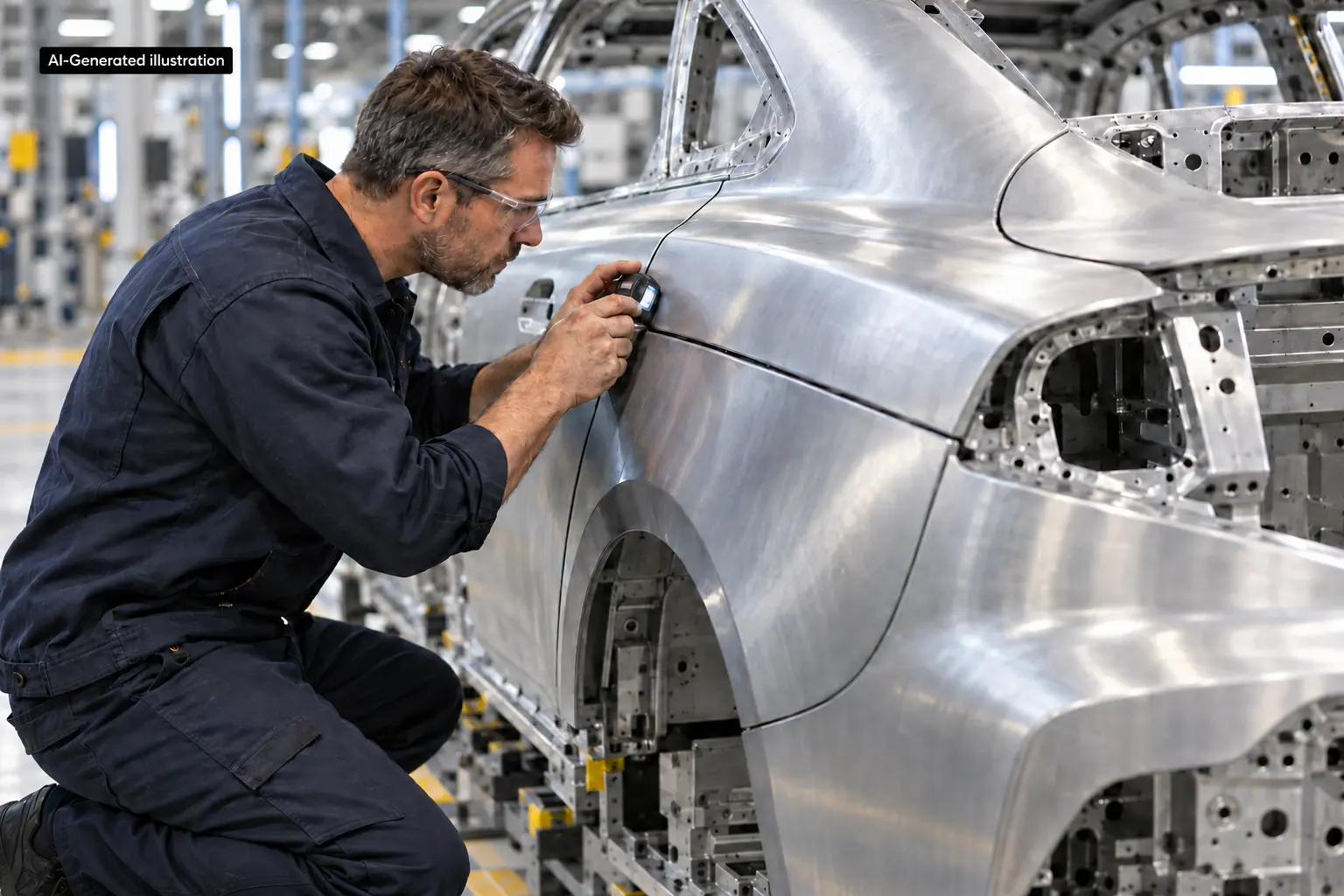
That makes process control a commercial concern as well as a technical one. Procurement decisions need to account for a supplier’s ability to maintain quality and communicate clearly, alongside price and available capacity. A low initial quotation offers limited value if avoidable problems consume production time later.
Similarly, metal fabrication brings cutting, bending and assembly into a connected process. Decisions made at one stage affect the work that follows, which makes communication between design and manufacture particularly valuable. These are general manufacturing considerations, rather than descriptions of undisclosed Type 01 components.
For British suppliers, the real test will be whether projects like Type 01 create sustained demand for specialist manufacturing. A prominent launch can raise interest but the longer-term value depends on actual production requirements and the work that follows. That distinction matters to businesses considering investment in equipment, recruitment or additional capacity.
From the Launch Stage to the Production Line
For readers following Type 01, the next milestones will show how the programme is progressing. Opening orders, beginning production and delivering cars each represent a different stage, while final certification will give buyers firmer information against which to assess the announced range estimates.
For manufacturers and suppliers, those milestones also provide context for planning. An unveiling establishes the product’s direction, but production requirements determine the work involved. Following that transition keeps the focus on what the programme delivers for customers and the manufacturing businesses supporting it, rather than repeatedly returning to the promises made at launch.
From Automotive Ambition to Manufacturing Delivery
Jaguar Type 01’s proportions and performance will attract attention, but bringing it into production depends on the factories, skills and manufacturing processes behind it. For engineering managers and procurement teams, the challenges are familiar: maintaining quality, coordinating suppliers and keeping production on schedule.
When work involves several processes, each subcontractor handover adds another point where specifications, delivery dates and responsibilities need to be clear. Working with an engineering partner offering machining, cutting, fabrication and finishing can simplify coordination and give manufacturers greater control over the complete job.
PRV Engineering combines CNC machining, hydro-abrasive waterjet cutting, fabrication and finishing services. For businesses assessing their own production requirements, PRV Engineering’s products and services provide a starting point for discussing materials, tolerances, finishes and quantities.
As Type 01 moves towards planned production, it offers a reminder that automotive ambition relies on practical engineering capability. The finished car will be judged on the road, while its manufacture will depend on the precision, consistency and coordination delivered throughout production.
Recent Comments