
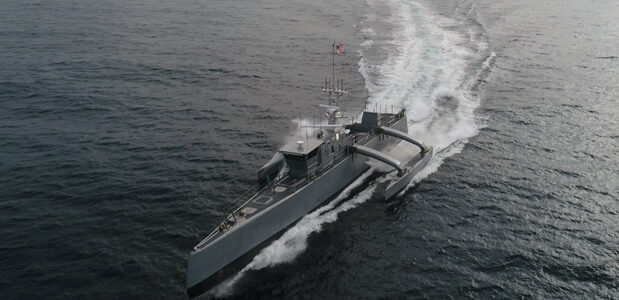
Naval warfare could be on the brink of a total makeover through cutting-edge technology and innovation. Making waves at the center is the Sea Hunter – a new breed of unmanned, autonomous vessels launched in 2016. It forms part of the DARPA Anti-Submarine Warfare Continuous Trail Unmanned Vessel (ACTUV) program. DARPA has already completed trials of a prototype unmanned submarine hunter and claims it could lead to a new class military vessel.
23
Feb
2018
29
Dec
2017

Reflecting back on 2017 we saw a number of engineering trends making their mark in a big way. Some include advanced robotics, additive manufacturing, IIoT, quantum computing and big data. Even though it’s possible to identify hundreds of minor developments, what are the major engineering trends to follow in 2018? Take a look at these top trends we put together to end the year on a positive note.
3
Nov
2017

The Defence Security Equipment International Exhibition (DSEI) is a world leading event uniting the global security and defence industry. It represents the entire supply chain unrivalled by anyone and a great place to share knowledge and ideas. London was the preferred location for the event held in September this year and provided great insight into the British defence industry.
In light of the increased global terror threat, exhibitors showcased some really innovative solutions. Some examples include land, marine and airborne Improvised Explosive Devices (IED’s) and mines but the main focus points were aviation, land combat, maritime as well as defence electronics, training simulations and cybersecurity.
20
Oct
2017

Not that long ago everyone thought the new millennium would usher in flying cars, electric hoverbikes and other advanced tech. It’s no longer just a fantasy as portrayed in sci-fi movies with flying cars and electric hoverbikes in daring police chases. Technology is now at the point where that dream could, in fact, become reality sooner than we think. Not just for military or police purposes, but a much broader horizon awaits us all.
13
Oct
2017

First it was self-driving cars and now we’re talking about autonomous flight as if we’re ordering pizza. It’s been all over the news and talks around the watercooler are more interesting than ever. Boeing’s acquisition of Aurora and a stake in Zunum Aero is set to take place this year. The overall consensus is that the aerospace industry is in for a major change.
11
Aug
2017

The correlation between manufacturing trends and our economic growth is crucial. But how do we ensure innovation, competitiveness, higher income and improved quality of life? No surprise here as the answer lies in manufacturing. Investments in this sector impact the economy through job creation and career growth in other industries as well.
21
Jul
2017
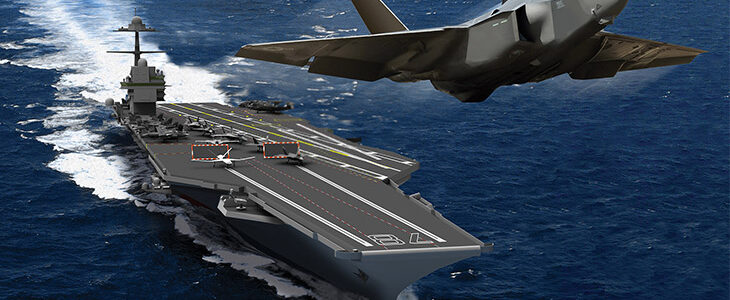
The USS Gerald R. Ford (CVN-78) is Marine Engineering at its best. It houses more than 4 500 crew members and weighs in at 90 000 tons. With a $13 billion price tag, it’s the most expensive and most advanced warship ever built. It certainly sets the bar extremely high.
Christened in November 2013 and scheduled to be commissioned this year, these super-carriers are expected to be in service until 2065. They are also set to replace some of the Navy’s existing Nimitz-class carriers.
Both classes have a similar-looking hull but the Ford class is miles ahead with new technical and technological innovations. Designed to improve operating efficiency and reduce operating costs, the USS Gerald R. Ford also requires fewer crew; about 600 to be more specific. It’s estimated to save $4-5 billion on operational expenditure making it extremely cost effective in comparison.
14
Jul
2017
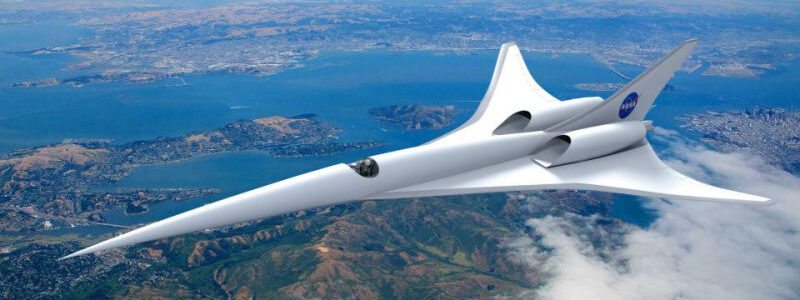
Hypersonic travel is described as flight through the atmosphere below 90 km at a speed above Mach 5 (5 times the speed of sound). That means traveling from London to New York could only take about 2 hours. The concept has been around for a long time but applying the theory to practice is a different story.
It’s not an impossible task but the problem has always been how to handle the extreme heat at high speeds. Now, thanks to advanced aerospace engineering, a special ceramic has been developed making hypersonic air travel a real possibility.
7
Jul
2017

The future of aerial combat is no longer a figment of our imagination but more a reality. Global powerhouses are turning to drone technology even more to further strengthen their military prowess. Kratos drones are just one of many companies doing some groundbreaking work.
Kratos drones were featured at the recent Paris Air Show offering an insight into the future of unmanned aerial combat. With the associated price tag of a manned fighter jet reaching $100 million, UAV’s could be the low-cost option going forward.
23
Jun
2017

The new Rotorcraft Airbus Racer from CleanSky 2 initiative is a great example of how far we’ve come but did you know that the concept of vertical flight has been around for centuries? In fact, it was first recorded in China, 400 B.C based merely on a children’s toy made from bamboo. This has certainly led to bigger and better things.
What is the CleanSky 2 Initiative? In a nutshell, it’s the largest European research program aimed at the development of innovative, cutting edge technologies to reduce environmental impact from aviation.
Recent Comments