
Material Traceability in Engineering: The Centre of Project Risk and Compliance
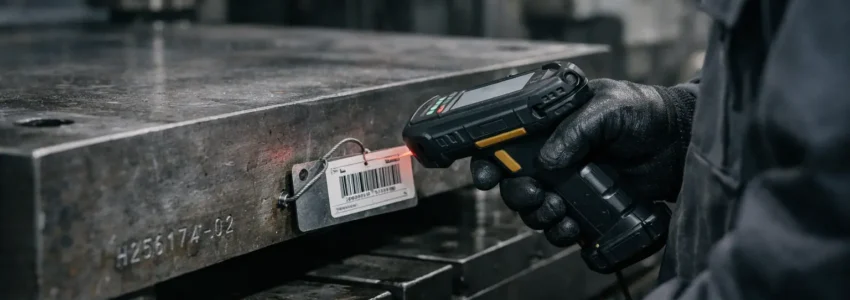
Material traceability in engineering refers to the ability to track and verify the origin, composition, and processing history of materials used throughout a project. It is no longer a documentation exercise; it is a core requirement for compliance, quality assurance, and operational accountability.
Across sectors such as defence, energy, transport, and infrastructure, traceability in engineering is becoming a baseline expectation rather than a value-added feature. Regulatory pressure, supply chain complexity, and the consequences of failure have shifted traceability from a back-office function to a critical part of project delivery.
For decision-makers, this change is not theoretical. It directly affects supplier selection, project timelines, and long-term liability.
Why Material Traceability Is Now a Project-Level Requirement
Material traceability has become essential because engineering projects are increasingly interconnected, regulated, and performance-critical.
In many cases, components are no longer sourced from a single supplier or even a single country. Materials move through multiple stages—raw extraction, processing, machining, coating, and assembly—before becoming part of a finished system. Without clear traceability, verifying the integrity of that system becomes difficult.
Standards such as ISO 9001 and sector-specific frameworks require documented evidence of material origin and conformity. According to the International Organization for Standardization, traceability supports both quality management and risk mitigation by ensuring that every material used can be linked back to its source and certification.
In practical terms, this means that traceability in engineering is now tied directly to compliance audits, project approvals, and contractual obligations.
Material Traceability in Engineering and the Risk of Unknown Variables
The absence of material traceability introduces uncertainty at multiple stages of a project.
If a material batch cannot be verified, questions arise around:
- Chemical composition
- Mechanical properties
- Heat treatment history
- Compliance with specified standards
These uncertainties may not be immediately visible. Components can pass initial inspections but fail later under stress, fatigue, or environmental exposure.
This is particularly relevant in high-spec applications where material behaviour must remain predictable over long operational lifecycles. Even small deviations in alloy composition or processing conditions can affect performance.
Material traceability allows engineers to remove these unknowns. By maintaining a clear record of material provenance, teams can confirm that what was specified is what has been delivered and processed.
The Role of Material Traceability Across Manufacturing Processes
Traceability does not begin and end with raw material certificates. It must extend through every stage of manufacturing.
In machining, fabrication, and cutting processes, materials are often divided, reshaped, or combined. Without proper tracking, the link between the original material certification and the final component can be lost.
For example, when large structural parts are produced, maintaining traceability through machining operations is critical. Processes such as those outlined in large format machining require careful control not only of geometry but also of material identity throughout the process.
Similarly, when materials are selected at the outset, traceability supports the decision-making process. As discussed in why material selection in engineering matters more than you think, the performance of a component is directly tied to both the material chosen and the ability to verify its properties.
Traceability ensures continuity between specification, selection, and execution.
Traceability in Engineering Within Regulated and High-Risk Sectors
Material traceability becomes particularly critical in sectors where failure carries significant consequences.
In defence manufacturing, for example, traceability is not optional. Components must meet strict performance and safety standards, often under extreme operating conditions. Processes such as those described in why waterjet cutting services are critical in defence manufacturing highlight how material integrity must be preserved from initial processing through to final assembly.
Beyond defence, industries such as nuclear, aerospace, and oil and gas operate under similar expectations. Regulatory frameworks require full documentation of materials, including mill certificates, batch numbers, and inspection records.
In these environments, traceability in engineering is closely linked to:
- Safety assurance
- Regulatory compliance
- Long-term asset reliability
Failure to provide traceable material records can result in project delays, rejected components, or complete system requalification.
Digitalisation and the Evolution of Material Traceability
One of the reasons material traceability is becoming more prominent is the shift towards digital project environments.
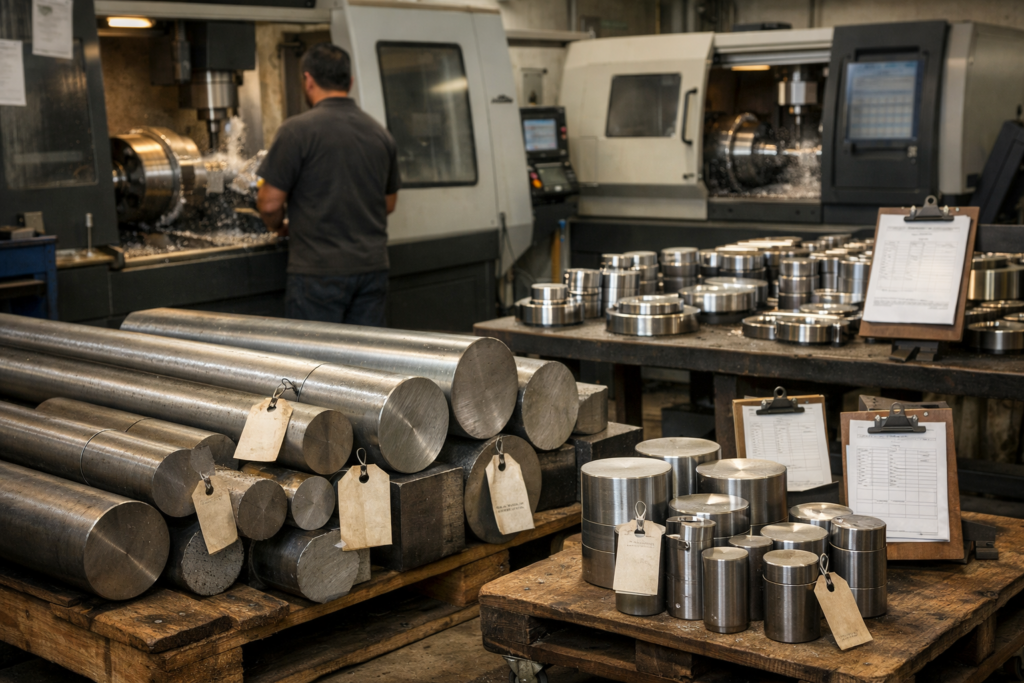
Engineering projects now rely on integrated systems for design, procurement, and manufacturing. Digital records allow traceability data to be captured, stored, and accessed in real time.
This evolution enables:
- Faster verification of material compliance
- Improved audit readiness
- Better coordination across supply chains
However, it also raises expectations. Stakeholders increasingly expect traceability data to be accurate, accessible, and complete at every stage of a project.
As highlighted in research from the UK Government on supply chain transparency, improving traceability is essential for managing risk in complex industrial systems. This means that traceability is no longer just about keeping records, its about integrating those records into the wider engineering workflow.
Operational and Commercial Implications of Material Traceability
From a commercial perspective, material traceability has a direct impact on project efficiency and cost control.
When traceability is well-managed:
- Non-conformance issues can be identified and isolated quickly
- Rework is reduced because material compliance is verified early
- Project delays caused by documentation gaps are minimised
Conversely, poor traceability can lead to:
- Entire batches of components being rejected
- Delays during inspection or handover
- Increased liability if failures occur in service
For procurement and project teams, this creates a clear incentive to work with suppliers who understand and maintain robust traceability systems.
Material traceability is therefore not just a technical requirement, it is a commercial safeguard.
Where Engineering Partners Fit Into the Traceability Chain
Material traceability does not sit with a single organisation. It is maintained across the entire supply chain.
Engineering partners play a key role in preserving traceability as materials move through different processes. This includes:
- Maintaining identification throughout machining and fabrication
- Recording process steps and inspections
- Ensuring documentation aligns with project requirements
PRV Engineering operates in sectors where these requirements are standard. Projects often involve complex assemblies, high-spec materials, and strict documentation standards, requiring traceability to be maintained without interruption.
This level of control supports both compliance and confidence in the final product.
A Practical View on Material Traceability from the Shop Floor
From the point where raw material enters a facility to the moment a finished component leaves it, every stage introduces the potential for variation. Traceability is what allows those variations to be understood, managed, and, where necessary, challenged.
In real project environments, this becomes less about paperwork and more about confidence. Confidence that the material being machined is exactly what was specified. Confidence that the processes applied have not introduced unknown variables. And confidence that, if required, every decision can be traced back and verified.
PRV Engineering operates in sectors where this level of control is expected as standard. Projects often involve complex requirements, multiple processes, and materials that must perform reliably over long periods. In these conditions, maintaining material traceability is not an additional step but part of how work is delivered.
Recent Comments