
What This Supposed Aluminium Discovery Means for Engineering Materials
A recent wave of headlines suggests that aluminium, one of the most widely used engineering materials, could begin replacing expensive metals like platinum and palladium in certain applications.
On the surface, that sounds like a major breakthrough. Lower costs. More accessible materials. New possibilities for manufacturing.
But as with most developments in engineering, the reality is more nuanced.
Let’s take a closer look.
Why Expensive Metals Are Used in the First Place
Precious metals such as platinum and palladium are not used simply because they are available but because they perform in ways that many common engineering materials cannot.
They offer:
- Exceptional resistance to heat and corrosion
- Stable performance in aggressive chemical environments
- Unique catalytic properties in industrial processes
This is why they are widely used in sectors such as automotive, chemical processing, and energy. Replacing them is not just a question of cost. It is a question of performance.
Where Aluminium and Other Engineering Materials Already Excel
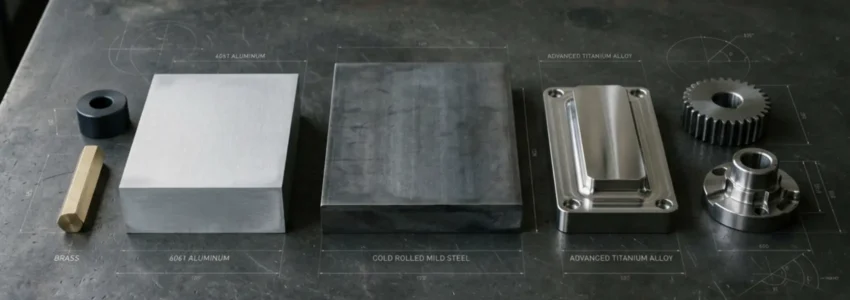
Aluminium, along with other widely used engineering materials like mild steel and alloys, already plays a critical role across multiple industries.
These materials are valued for:
- Strength-to-weight ratio
- Cost-effectiveness
- Machinability and fabrication flexibility
- Availability at scale
In many engineering applications, they are not just an alternative, they are the preferred choice.
At PRV Engineering, working across a wide range of engineering materials means understanding how different materials perform in real-world conditions. This includes everything from standard and medium-grade steels through to advanced materials such as Hastelloy, Inconel, titanium, and aluminium.
These materials are used across sectors including defence, aerospace, rail, construction, and oil and gas; each with its own performance requirements, environmental challenges, and tolerances.
In practice, selecting the right material is not just about cost or availability. It is about ensuring the material performs reliably within the specific demands of the application.
The Gap Between Research and Real-World Use
The idea that aluminium could replace precious metals is rooted in ongoing research into how common elements can mimic the behaviour of more expensive materials, especially in chemical and catalytic processes.
This area of study is advancing, and it is promising. However, most of these developments are still at the research or laboratory stage.
Moving from controlled experiments to industrial-scale application involves significant challenges:
- Long-term durability under real operating conditions
- Consistency across large-scale production
- Compatibility with existing systems and processes
In practice, this means that while the science is progressing, widespread adoption is likely to take time.
Material Selection Is Still About Trade-Offs
In engineering, material selection has always been about compromise.
There is no single material that delivers the best performance in every scenario.
Instead, decisions are based on balancing:
- Cost
- Strength
- Weight
- Durability
- Environmental conditions
- Manufacturing processes
This is why both advanced materials and more common engineering materials continue to coexist across industries.
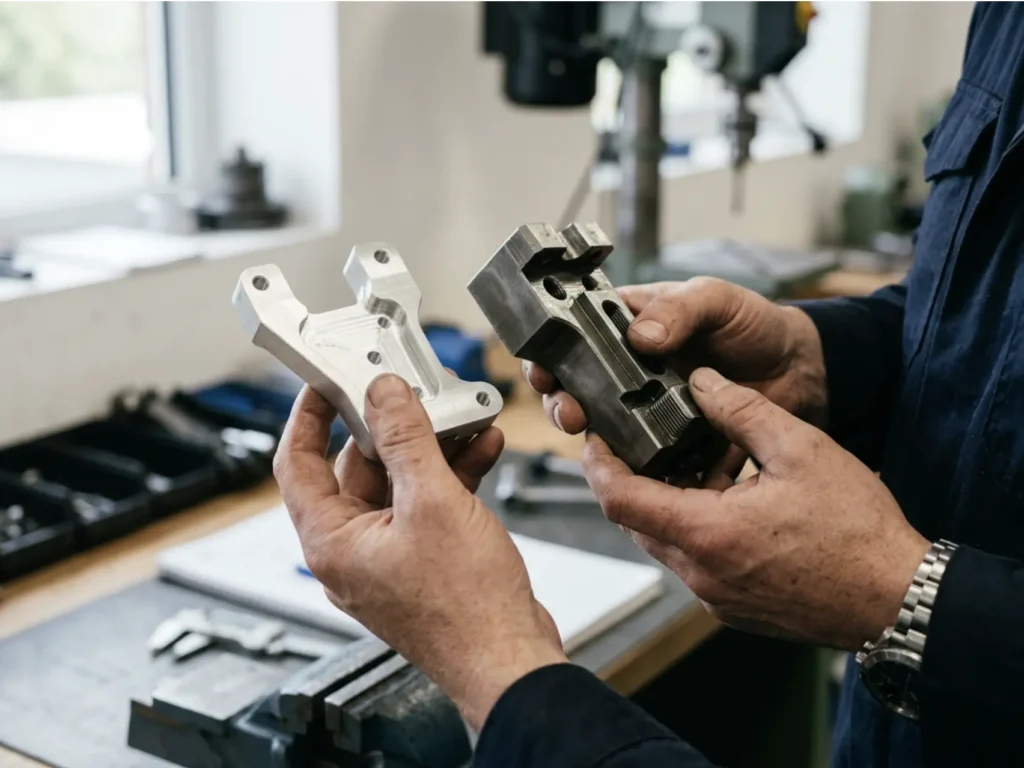
For example, processes such as hydro-abrasive waterjet cutting allow a wide range of materials to be cut accurately without introducing heat distortion, helping preserve their intended properties from the outset.
Similarly, finishing processes such as powder coating and surface treatment can significantly enhance durability, particularly when working with more cost-effective base materials.
What This Means for Engineering Projects
For engineers, project managers, and manufacturers, developments like this are worth paying attention to — but they should be viewed in context.
New materials and processes can create opportunities to:
- Reduce costs
- Improve efficiency
- Explore alternative design approaches
But they rarely replace existing materials overnight. Instead, they expand the toolkit.
The challenge is knowing when and where to apply them effectively.
A Broader Shift in Engineering Materials
The interest in replacing expensive metals is part of a wider trend.
Across the industry, there is growing focus on:
- Cost optimisation
- Material efficiency
- Supply chain resilience
- Sustainability
Research into alternative engineering materials is likely to continue accelerating, particularly as industries look for ways to reduce reliance on scarce or high-cost resources.
Final Thoughts
The idea that common engineering materials could replace expensive metals is compelling, and in some cases, it may eventually become reality.
But for now, the fundamentals remain the same. Material selection is not about finding a single replacement. It is about understanding performance, constraints, and application while making informed decisions based on all three.
In engineering, the “right” material is rarely the cheapest or the most advanced.
It is the one that performs reliably in the real world.
Recent Comments