Archives

Engineering Education

17 Mar 2026
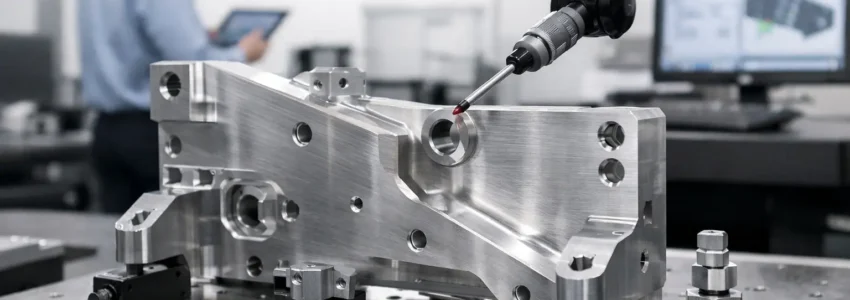
Precision inspection of a machined aerospace component using a coordinate measuring machine to verify engineering tolerances.

How Engineering Tolerances Affect Performance, Safety and Reliability

Engineering tolerances are often treated as a detail on a drawing, but in reality they define whether a component performs as intended once it leaves the machine.

Every engineered system relies on controlled variation. No component is manufactured to a perfect dimension, so tolerances exist to define the acceptable limits within which parts can function correctly. When those limits are exceeded, even slightly, the consequences can range from reduced efficiency to complete system failure.

In many industries, tolerance issues are not immediately visible. Components may assemble correctly, pass initial inspection and even operate for a period of time before problems begin to emerge. This makes poor or inconsistent engineering tolerances one of the more difficult issues to diagnose in complex systems.

5 Feb 2026
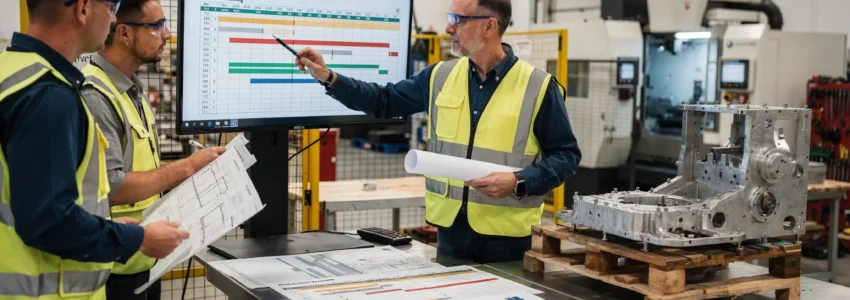
Senior engineers reviewing technical drawings inside a large industrial facility, representing high-stakes engineering decision-making in complex projects.

What’s Quietly Changing in Engineering Decision-Making in 2026

Engineering decision-making rarely changes overnight. Instead, it evolves gradually, shaped by delivery pressure, accumulated experience, and real-world project outcomes rather than by trend reports or industry announcements.

Yet across UK engineering and industrial projects, something is clearly shifting. Conversations that once centred on speed, price and capacity are quietly being replaced by different concerns. Not because buyers are explicitly changing strategy, but because the environment around them has changed.

What follows is not a prediction, nor a trends piece. It is an observation of how engineering decision-making is being recalibrated in practice.

29 Jan 2026
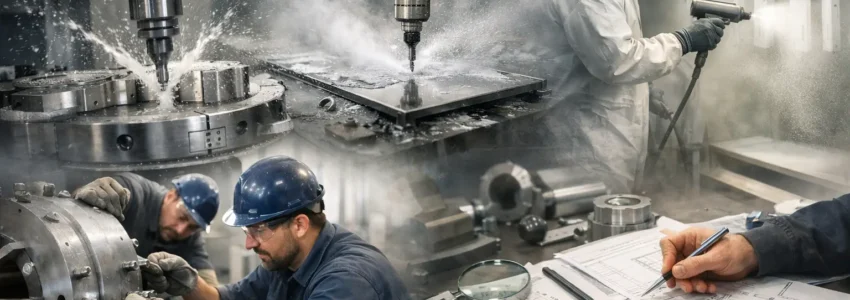
Illustrated engineering workflow highlighting critical stages where tolerance control, finishing, and inspection affect project outcomes.

Understanding Engineering Capability in Modern Industrial Projects

What increasingly determines whether projects deliver smoothly or unravel late is engineering capability. It specifically refers to the depth of technical understanding, process integration, and judgement applied across the full lifecycle of a job. This shift is subtle, but it is reshaping how experienced engineering buyers evaluate risk, reliability, and long-term value.

In many industrial sectors, project success is still too often judged by capacity: how quickly work can start, how many machines are available, or how short the quoted lead time appears on paper. Yet as engineering projects grow more complex, regulated, and interconnected, these surface-level indicators are proving unreliable.

13 Jan 2026
Senior Engineer discussing Lead Times to a team of engineers

How Engineering Lead Times Are Reshaping Planning, Procurement, and Delivery

For many years, engineering lead times were treated as an operational detail. Something to be managed by production schedules, absorbed by buffers, or resolved with overtime when pressure increased.

That assumption no longer holds. Across manufacturing, infrastructure, defence, energy, and transport, engineering lead times are now a strategic risk—one that affects contracts, cash flow, compliance, and long-term competitiveness.

This article explores why lead times have become harder to predict, where risk is actually accumulating, and why organisations that understand this shift are better positioned to deliver reliably.

7 Jan 2026
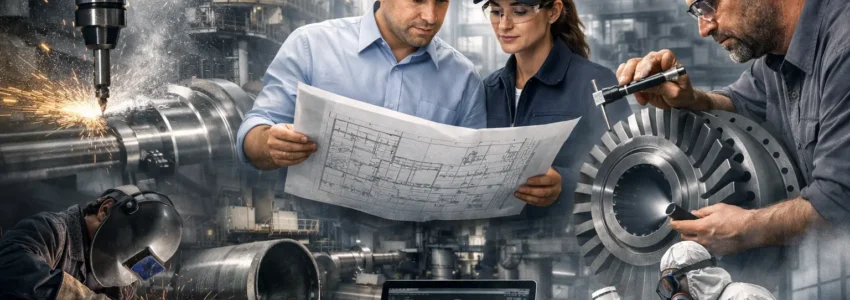
Collage image representing hidden engineering bottlenecks across manufacturing processes.

Why Engineering Bottlenecks Appear Long Before Machines Do

When projects fall behind, the cause is often assumed to be capacity. Not enough machines. Not enough people. Not enough hours in the day. In reality, many engineering bottlenecks emerge well after machining begins. Components are produced on time and to specification, yet progress slows, deadlines slip, and pressure builds late in the programme.

This article explores the hidden engineering bottlenecks that consistently disrupt delivery, why they are often underestimated, and how addressing them early can significantly improve predictability.

21 Mar 2024

In a previous article, we looked closer at the significant skills gap in UK manufacturing that threatens the country’s growth and innovation. As we navigate this challenge, manufacturing apprenticeships emerge as a key solution, providing a practical and effective pathway to cultivate the next generation of talent. This article highlights how apprenticeships, alongside T Levels, are being harnessed to address the skills gap in manufacturing, highlighting success stories and guiding businesses on how to get involved.

21 Mar 2024

The UK finds itself at a crossroads, battling a significant labour shortage in manufacturing that poses a risk to its productivity and future growth. Amidst the challenges posed by digital transformation, Brexit fallout, the Covid pandemic, wage inflation, and a competitive job market, the need for innovative solutions becomes more pressing. This in-depth analysis examines the impact of adopting workplace flexibility, utilising advanced recruitment tools, and promoting strategic workforce development as key strategies to attract and retain essential manufacturing talent.

28 Apr 2023

Many custom fabrication projects are complex which may require a high level of expertise and attention to detail. From research and design to the final product, there are many variables to consider while keeping mind that even the smallest mistakes can have a significant impact on the end result. In this article, we will discuss 8 most common mistakes to avoid in custom fabrication projects with expert advice on how to ensure a successful outcome.

30 Dec 2022
17 Aug 2021

The world is advancing at a rapid pace and not only in engineering and manufacturing but also in education. Thanks to better and more widespread internet access and emerging technologies, the way children, youth and adults will learn in the future is changing. In this article, we look at education and how social, economic, and technological changes will revolutionise how we learn at school or university.

Events

March 2026
M T W T F S S
 1
2345678
9101112131415
16171819202122
23242526272829
3031