Is The Free-Energy Vehicle A Groundbreaking Innovation or an Impossible Dream?
The world of automotive engineering may be on the verge of its biggest disruption yet. A free-energy vehicle—a car that requires no fuel, no charging stations, and theoretically runs indefinitely—has been unveiled by Zimbabwean inventor Maxwell Chikumbutso. If true, this innovation could transform vehicle technology, disrupt the oil and gas sector, and challenge everything we know about car manufacturers and the EV industry. But is it really possible? Let’s break down the claims, the science, and the potential global impact of this controversial invention.
Advanced lithium-ion batteries are at the forefront of revolutionising the electric vehicle (EV) industry, setting new benchmarks for range, durability, and sustainability. A recent breakthrough in battery technology has introduced a single crystal electrode design capable of withstanding over 20,000 charge-discharge cycles. This innovation translates to an astonishing five million miles of range in an EV, potentially outlasting the vehicle itself.
The automotive world has always been captivated by innovation, and the Lotus Theory 1 Concept, a futuristic electric sports car, pushes the boundaries of what electric vehicles (EVs) can achieve. Lotus, renowned for its lightweight sports cars, is introducing a bold new design concept that brings technology, performance, and sustainability together in a way that could shape the future of automotive engineering.
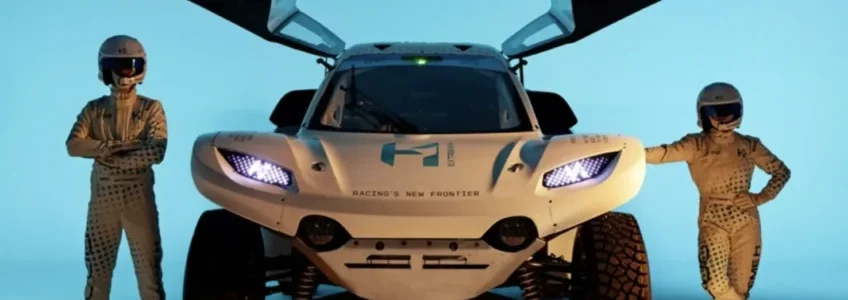
The automotive world is on the brink of a revolution, and hydrogen race cars are at the forefront of this transformation. As the motorsport industry increasingly looks for sustainable alternatives to traditional fuel, hydrogen cars are fast becoming the game-changing solution. This article explores how hydrogen race cars work, their benefits, and the role they could play in the future of motorsport.
EV battery swapping is currently a hot topic, and rightfully so, given the remarkable progress of electric vehicles since their inception. With advancements in battery tech, EVs now boast extended ranges and quicker charging, making them a more practical choice for daily driving. Nonetheless, concerns like range anxiety and lengthy charging times still hinder widespread adoption. This is where EV battery swapping technology shines, offering a solution that tackles both challenges head-on.
In the world of motorsport, innovation takes the lead, pushing boundaries and redefining what vehicles can achieve. Recently, a Chevy S-10 with Tesla battery tech captured the attention of enthusiasts and experts alike at the brutal King of the Hammer off-road racing event in California. Despite facing off against traditional monster V8s, the TesTen’s electric torque delivery gave it the edge; showing that Tesla battery tech is at home off-road as it is on the road.
In the ever-evolving landscape of the automotive industry, the push towards sustainable automotive manufacturing has become more than a mere trend – it’s an imperative. As a leading UK engineering company providing precision engineering and custom fabrication across diverse sectors such as construction, rail, automotive, aerospace, defence, and oil and gas, we recognise the critical role of sustainability in manufacturing. The shift towards eco-friendly practices isn’t just beneficial for the environment; it’s a strategic move that aligns with the global call for responsible manufacturing.
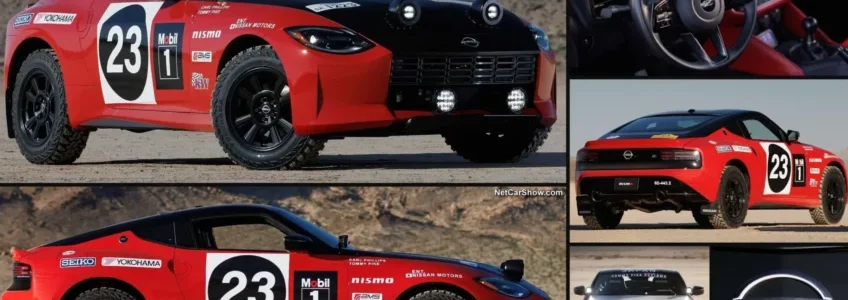
At PRV Engineering, we appreciate the intricate blend of engineering prowess and historical reverence in automotive design. The Nissan Rally Z Tribute stands as a prime example of this fusion, offering an exhilarating nod to the iconic 1971 Safari Rally champion. As engineers and car enthusiasts ourselves, we can’t help but admire the meticulous attention to detail and innovative engineering that has gone into creating this modern-day rally legend.
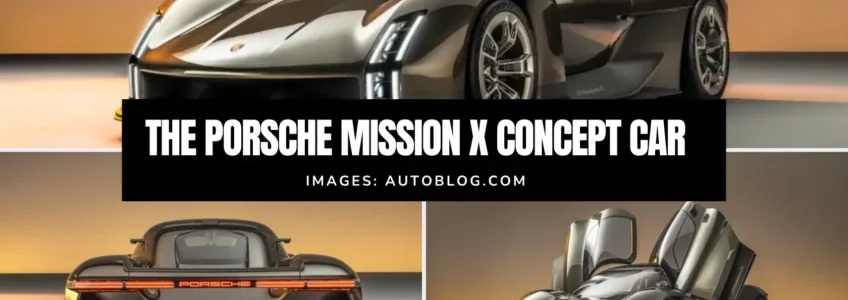
Porsche’s recent unveiling of the Mission X concept hypercar has sent ripples throughout the automotive world. This striking electric supercar concept serves as a testament to Porsche’s vision for the future. At first glance, it’s a jaw-dropping spectacle; delve a little deeper, and the details are simply out of this world. Let’s dive in!
The Cheetah: More Than Just a Mascot
Upon closer inspection, a sprinting cheetah emblem becomes apparent near the rear wheels. Porsche’s decision to incorporate this swift, lightweight animal serves as an emblematic nod to the design ethos of this incredible hypercar. It’s a continuation of an endearing Porsche design tradition – infusing models with animal symbols. Remember the Vision 357’s dinosaur, a homage to the past, and the wild boar representing the race-ready Mission R?
Image Credit: autoblog.com
Motorsports Roots Run Deep
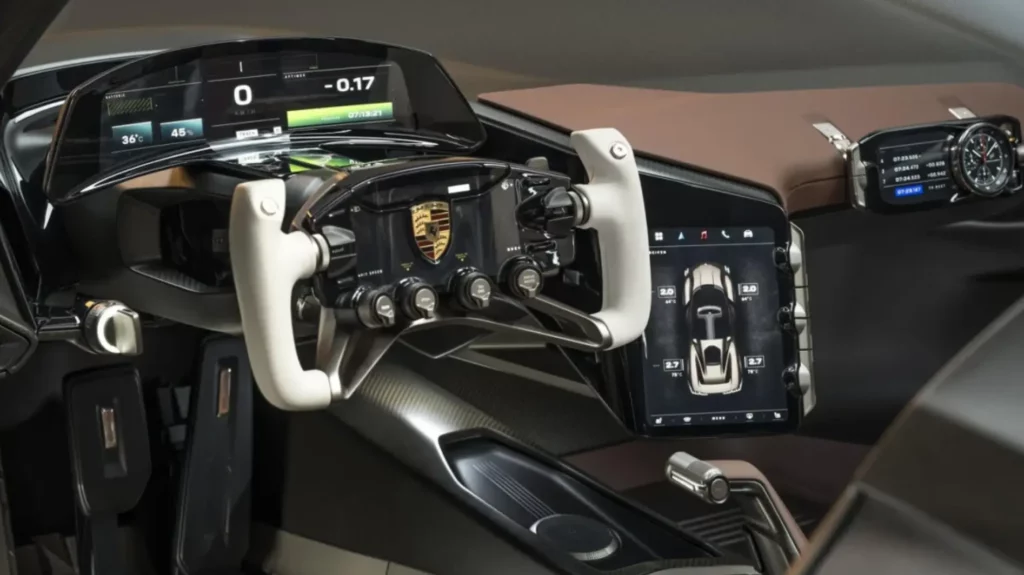
In every curve and corner, there’s a trace of motorsports. The Mission X’s design borrows heavily from iconic Porsche race cars, with cleverly incorporated tributes like the vertical headlights reminiscent of prototype hypercars. The “Daytona” window harks back to the classic Porsche 917. Additionally, the inclusion of a passenger-side screen and clock, which can even be detached, screams ‘rally’ to any enthusiast.
Unconventional Braking at the Driver’s Fingertips
The steering wheel’s paddles have left many guessing. While most associated these with shifting, the real functionality was a delightful surprise. While the left paddle adjusts regenerative braking, the right one fine-tunes the brake balance. An intriguing and innovative feature that offers the driver unparalleled control.
Though the Mission X isn’t a full-fledged race car, it’s undeniably track-ready. Its luxurious metallic grey finish subtly contrasts its race ambitions. Thoughtful design elements like infotainment buttons crafted for ease of use, even with racing gloves on, and the bespoke seats – essentially modular pads that can be customised – reiterate Porsche’s attention to detail.
One might question the mid-engine design of an electric car. However, Porsche’s rationale is simple. The car’s battery pack sits snugly behind the seats, somewhat shaping its profile. Plus, let’s admit it, the mid-engine silhouette is a real classic.
What Lies Ahead For Porsche’s Hypercar Future?
While Porsche CEO, Oliver Blume, has hinted at the potential of a new hypercar, it won’t be before the decade’s end. Challenges with current battery technology remain a hurdle. However, the Mission X, not intended for sale currently, undoubtedly paints a tantalising picture of what the future might hold.
Adorning a unique Rocket Metallic with satin carbon fibre touches, the Mission X mirrors the dimensions of past legends like the Carrera GT and 918 Spyder. A blend of historic and contemporary design cues can be found, from the iconic illuminated DRLs to the futuristic lattice-supported LED taillights.
The car’s interior beckons speed enthusiasts, with its plush Andalusia Brown and Kalahari Gray upholstery, and the state-of-the-art “e-core” battery setup promises mid-engined dynamics.
Image Credit: autoblog.com
The Porsche Mission X: Potential Record Breaker
Though specifics regarding drivetrain and output were conspicuously absent at the reveal, one thing’s for sure – if it goes into production, Porsche aims for the Mission X to be a Nürburgring record-breaker with unrivalled charging capabilities. And while its commercial future remains undecided, we’re certain that this hypercar concept has already garnered a list of eager, deep-pocketed enthusiasts.
If the street-legal coupe goes to production, it would aim to “be the fastest road-legal vehicle around the Nürburgring Nordschleife; have a power-to-weight ratio of roughly one hp per 2.2 lbs.; achieve downforce values that are well in excess of those delivered by the current 911 GT3 RS; offer significantly improved charging performance with its 900-volt system architecture and charge roughly twice as quickly as the current Porsche frontrunner, the Taycan Turbo S.”
In the ever-evolving landscape of automotive engineering, Porsche’s Mission X hypercar concept stands as a beacon of innovation, performance, and design. A marvel that has undoubtedly set the stage for an electrifying future.
The automotive industry stands on the cusp of revolutionary change, spurred by technological advancements, changing consumer preferences, and environmental concerns. Through this lens, we aim to provide a profound exploration of where the automotive industry is headed and the multifaceted trends propelling it forward.







Recent Comments