First it was self-driving cars and now we’re talking about autonomous flight as if we’re ordering pizza. It’s been all over the news and talks around the watercooler are more interesting than ever. Boeing’s acquisition of Aurora and a stake in Zunum Aero is set to take place this year. The overall consensus is that the aerospace industry is in for a major change.
The recent successful test of the Hyperloop One is proof that the future of transport is at our fingertips. The near-supersonic transit concept used magnetic levitation for the first time on the ‘DevLoop’ test track in a vacuum environment. Co-founder Shervin Pishevar claims that by achieving full vacuum, they’ve essentially created a sky in a tube as if traveling 200 000 feet in the air.
The latest test showed speeds of 308 km/h (192 mph) on the 500-meter (1,640-foot) test track in Nevada where all system components functioned as intended. The next phase is
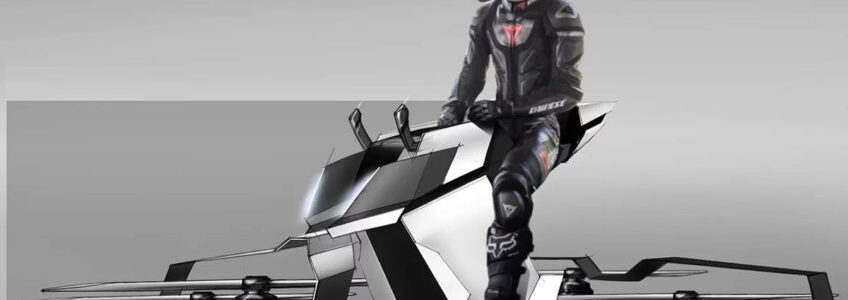
Technology is at the point where talking about a flying car should come as no surprise. This can be attributed mainly to the new lightweight material, improved batteries, advanced computer technology and controls. According to reports, DeLorean Aerospace is in the process of developing a two-seater VTOL aircraft called the DR-7. This puts Paul DeLorean in a whole new category along with Airbus, Uber, Darpa and the likes of Larry Page.
The DeLorean is best remembered for the time-traveling sports car from Back to the Future films piloted by Doc Brown. Who would have thought his quote would
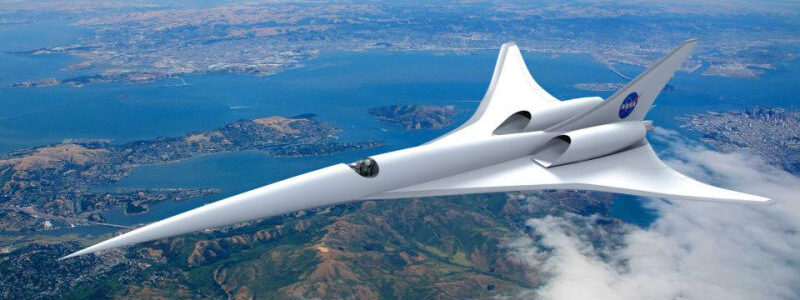
Hypersonic travel is described as flight through the atmosphere below 90 km at a speed above Mach 5 (5 times the speed of sound). That means traveling from London to New York could only take about 2 hours. The concept has been around for a long time but applying the theory to practice is a different story.
It’s not an impossible task but the problem has always been how to handle the extreme heat at high speeds. Now, thanks to advanced aerospace engineering, a special ceramic has been developed making hypersonic air travel a real possibility.
The future of aerial combat is no longer a figment of our imagination but more a reality. Global powerhouses are turning to drone technology even more to further strengthen their military prowess. Kratos drones are just one of many companies doing some groundbreaking work.
Kratos drones were featured at the recent Paris Air Show offering an insight into the future of unmanned aerial combat. With the associated price tag of a manned fighter jet reaching $100 million, UAV’s could be the low-cost option going forward.
The new Rotorcraft Airbus Racer from CleanSky 2 initiative is a great example of how far we’ve come but did you know that the concept of vertical flight has been around for centuries? In fact, it was first recorded in China, 400 B.C based merely on a children’s toy made from bamboo. This has certainly led to bigger and better things.
What is the CleanSky 2 Initiative? In a nutshell, it’s the largest European research program aimed at the development of innovative, cutting edge technologies to reduce environmental impact from aviation.
Futurologist Jeremy Rifkin claimed that 3D printing is the beginning of a third industrial revolution. This means it would subsequently succeed the production line assembly that dominated manufacturing which started in the late 19th century. What if he’s right? Imagine printing a new valve for a broken tap or a brake disc for your car. In contrast, perhaps something simpler like a new plate when your little ones drop the good dishes. The possibilities are essentially endless given the right materials and machines.
In recent times there has been an even bigger drive for renewable energy than ever before. This has also given rise once again to the solar power car. It could be due to the global warming phenomena or maybe we finally realised that the sun is in fact our biggest energy source and it’s free. At least in theory it is but putting in place the technology to store sufficient amounts of energy is the challenging part.


Recent Comments